

Gone are the days when rote learning ensured excellence, and where mugging was the key to good grades. Memorizing without understanding or application is now a redundant methodology in every education system; but what is the reason behind this reformation?
Rote learning does nothing but help in short-term recollection and retention of information. It is perhaps the most superficial level of learning for students of any grade and any field. So what is the optimum methodology of teaching and learning, which goes deeper in conceptual understanding?
Read More
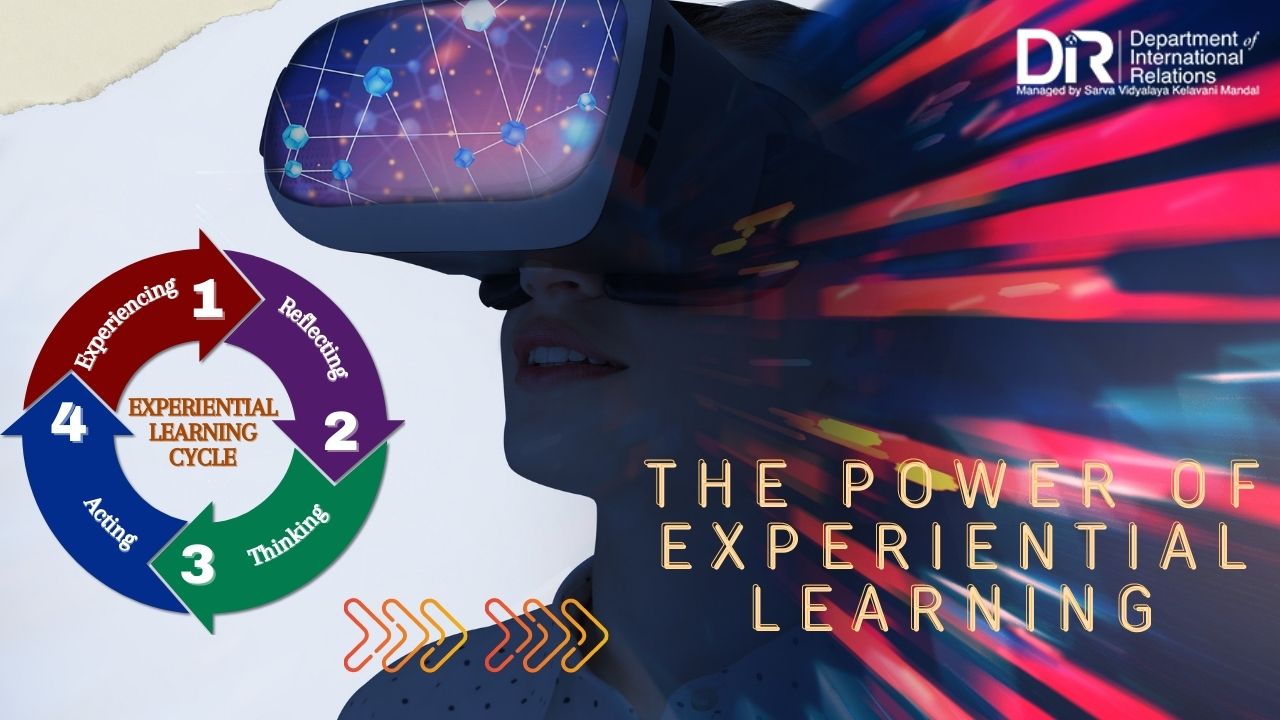
Experiential Learning is one of the best teaching and learning methodologies of the 21st century.
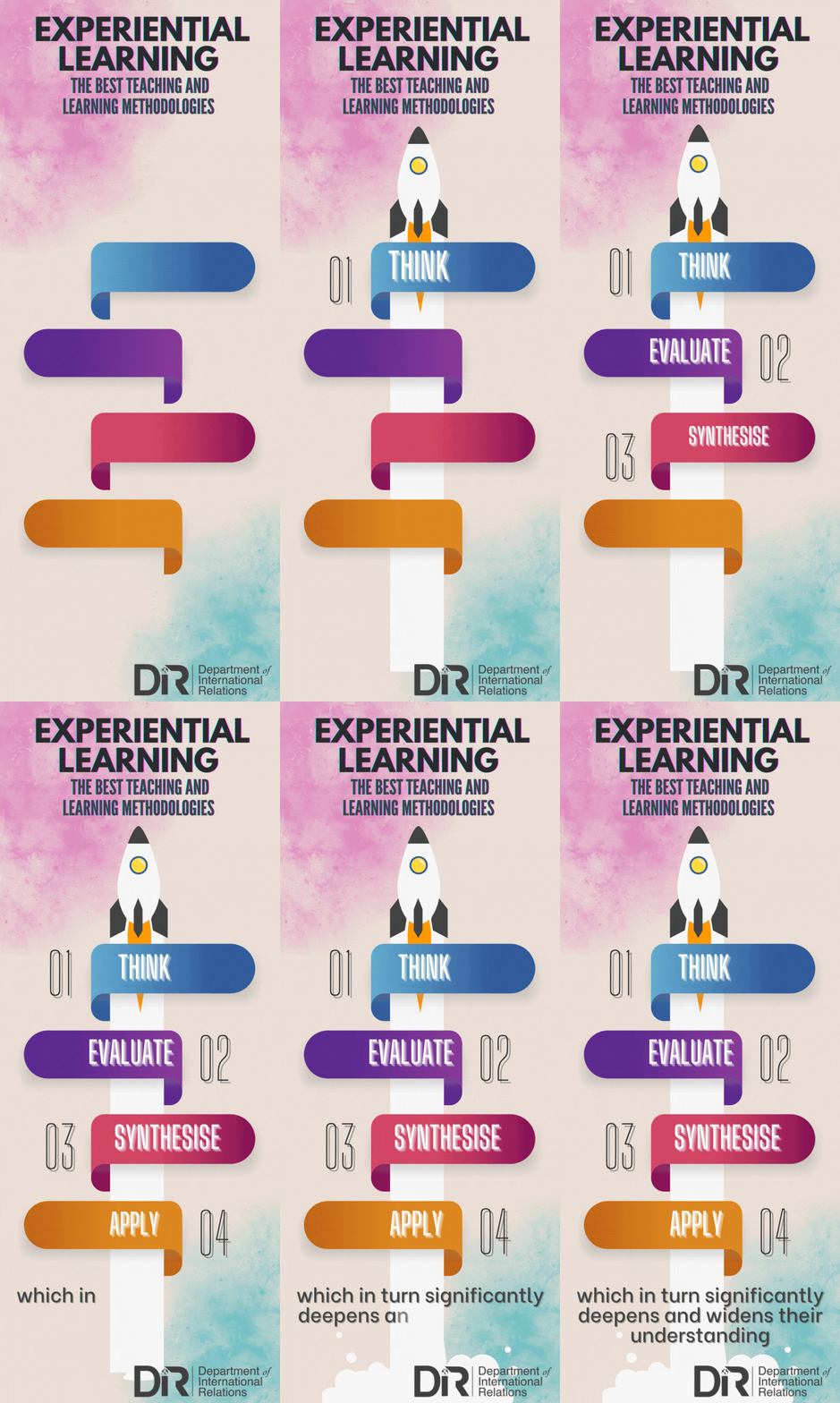
It encourages students to think, evaluate, synthesize, and apply acquired knowledge, which in turn significantly deepens and widens their understanding. Experiential learning programs require students to reflect upon given stimuli and critically analyze the material. It is an inquiry-driven format of learning, that pushes students to think creatively and use a problem-solving bent of mind.
The best part about experiential learning is that it converts passive learners to conscious and active learners, who can interact with the material and the teacher, and take initiative by asking questions, debating, suggesting ideas, working on projects, and collaborating with other students to go beyond the superficial level of reading, writing, and reciting.
Just as scientific experiments involve the processes of using secondary research to generate hypotheses, propose theories, collect data, solve problems, draw inferences, and present the data and results, experiential learning (for any field) goes beyond the textbooks and transforms students into interactive and confident stakeholders in the classroom.
Dr. Jinal Joshi