
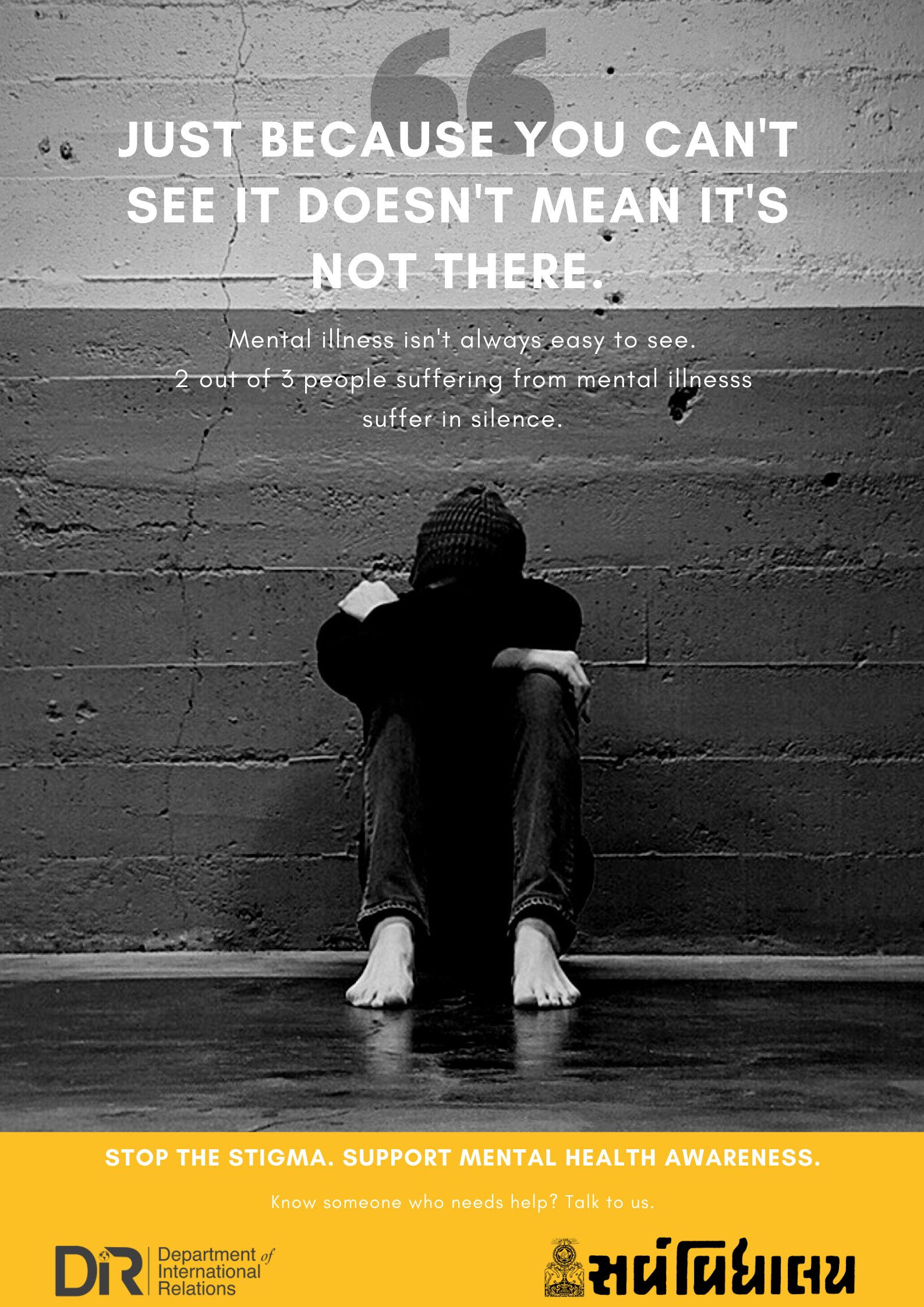
We know that students’ mental health affects their academic performance, and faculty are uniquely positioned to recognize and support students in distress. Student mental health is a growing issue at schools, colleges, and universities. There is a rising prevalence of depression, anxiety, eating disorders, suicidality, and other concerns.
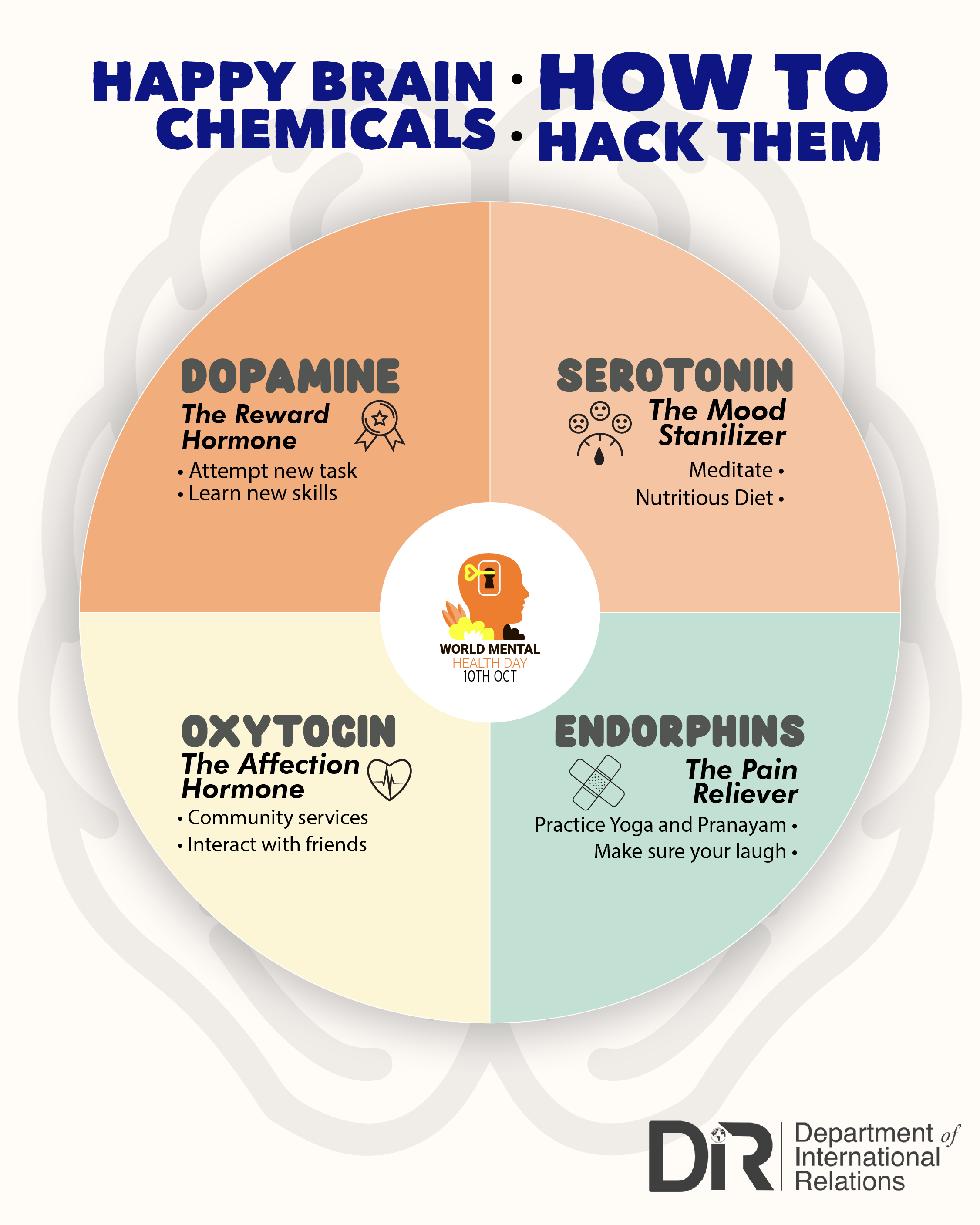
Nearly 45% of students nationwide had clinically significant symptoms of depression and/or anxiety. Given the state of mental health in college student populations, there is a need to identify students in distress and to help those in need connect with helpful resources. We have been also focusing mental health of teachers, mentors, and faculties as well. In spite, the majority of faculty are playing a significant role and having conversations with students about mental health, many faculties feel ill-equipped and lack the tools and resources to support students. We’ve seen an increasing prevalence of mental problems, which includes symptoms of depression, anxiety, eating disorders, non-suicidal self-injury, and suicidal ideation. We also cannot talk about the state of student mental health without talking about the large inequalities that exist. Inequalities are most pronounced when we talk about who is and who isn’t getting help. It’s true that more students are seeking help, but there is still a significant level of unmet mental health needs. Students of cast-creed, low-income, first-generation students, on average, have much lower rates of seeking help.
The mental health and wellness committee initiative has been working behind the betterment of the students. We promote mental health awareness and holistic health from an equitable lens to serve the diverse needs of our pupils by spreading awareness programs and workshops to improve emotional, psychological, spiritual, and social well-being.

Dr. Jinal Joshi – Director