
Introduction
Digitalization has made people tech-savvy creatures. We all rely on internet sources for getting each kind of information in ample amounts. To some extent, these technological advancements have bound us all to use our intellect as very few of us take the trouble to write and search by ourselves. These technologies have attracted people of almost all age groups to every nook and corner. Hence to survive among these advancements and also to prove human intelligence superior to artificial intelligence is a boon for writers, researchers, academicians, and professionals; one has to learn an appropriate use of web sources, AI tools, and other related assistance. This article addresses students and research scholars using internet sources and tools to prepare their content. This article is about one of the four language learning skills - writing skills. Effective note-making doesn’t mean just jotting down the information but also ensuring their retrieval and authenticity for easy access. Here are some important tips that explore the concept of SEO in note-making.

- What is SEO (Search Engine Optimization)?
SEO is a very common term in content writing especially in the Digital marketing space, where the target is to enhance the number of site visitors and attract the users or accessors.
- Why SEO is a skill?
It is a skill that can be learned and developed more and more with practicing day by day. This includes finding the relevant keywords and writing in clear and concise terms to make it user-friendly.
- How/Why does SEO help students in note-making?
The Internet is a vast source of information and authenticity is a big question when using a website for a particular purpose or target information. Students are using a variety of websites to get information while preparing notes, writing assignments, and making projects. Also, through the Internet students develop communication and approach of self-studies. Surfer SEO is important because it provides valuable insights for optimizing your website. By analyzing top-ranking pages in search results, Surfer SEO helps you understand the factors influencing their success. You can then apply these insights to enhance your content and improve your chances of ranking higher.

Note-making is the part of self-study where students can search for relevant information. Different websites and social media platforms play a vital role in bringing the latest news or updates to students’ attention. Even students can also share the information on reverse blogs on the most recent facts. Google, Bing, and Yahoo help in learning and discovering various sources to get the latest information. YouTube and other platforms like MOOCs, and Udemy also provide free classes and coaching for interested individuals. With these, one can shortlist some effective tips for effective SEO in content writing or note-making.
- Identify the reliability of the web sources in Note-making
- Use Online Writing tools while preparing notes
- Explore Online research techniques in writing notes
- Use of Multimedia for developing interest in study materials
- Need for source referencing and Citing skills
- Identify the reliability of the web sources in Note-making
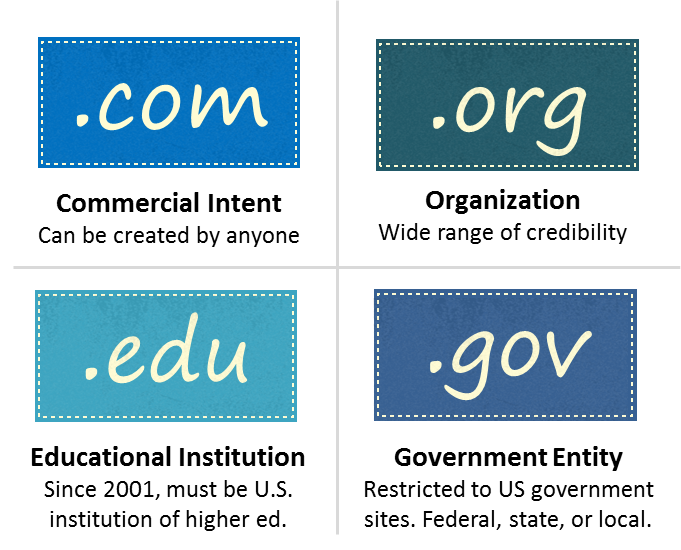
Websites are vital sources to provide valuable evidence and support to your notes (content) just like books, journals, magazines, and other resources. Many academic, government, and research entities are using online platforms to share data on particular areas or fields of expertise. Their data usually pass through the peer review process before publishing on websites hence these resources are trusted and reliable to use in course assignments or other scholarly research. To check the authenticity of the sources, look for sources from established publications and organizations/agencies. Also, avoid citing websites like Wikipedia because it can be added by anyone rather go to its reference section, find the source name from the reference list, and use it to avoid any descriptions of information, you can perform,
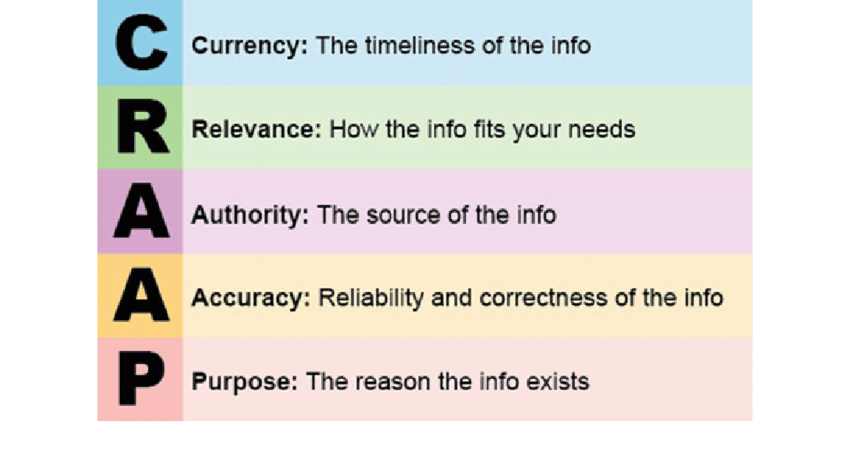
- CRAAP Testcheck its reliability CRAAP stands for Currency, Relevance, Authority, Accuracy and Purpose. It will ask you a few questions to evaluate the nature and value of the information you find.
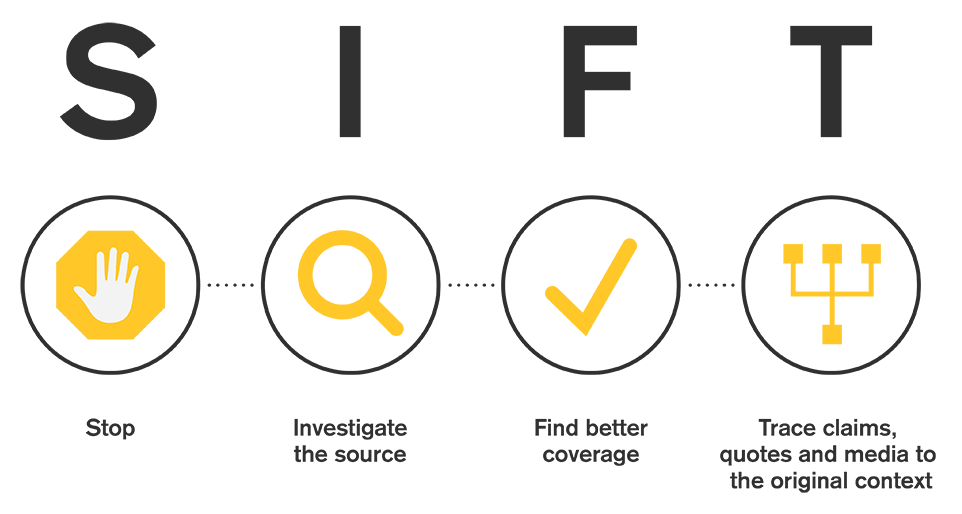
- The SIFT method is another method to check the reliability i.e. Stop, Investigate the source, Find better coverage, and Trace Claims, quotes, and media to the original context. This method is developed by digital literacy expert Mike Caulfield and it helps you to analyze information, especially news or other online media.
- The SMART check method, this technique is also used to evaluate news stories. SMART stands for Scope, Motivation, Accuracy, Relevancy, Reliable and Timely.
2. Use Online Writing tools while preparing notes
Writing skill comes at the end among all four basic language learning skills. To write something, one requires critical thinking and other linguistic knowledge like grammar, sentence structure, vocabulary, and others. Here one can get help from many online tools and platforms like grammar and self-check tools (Grammarly.com, Microsoft Editor, Wordtune, Scribbr, Ginger, Quilbolt, etc.).

On the other hand, while using the internet for getting information one can use techniques like keyword search techniques, advanced search operators, and filtering options. After getting information the writer needs to think critically to synch the information logically. These types of digital tools help you in real time as they stay organized and replace the physical space of saving them with digital platforms. It can be shared and edited anytime which enhances collaborative learning experiences.
3. Explore some online research techniques in writing notes
The Internet is an ocean of information where it becomes difficult to refine your search to get exactly what you want. One can follow these strategies to get the desired information.
- Use specific keywords- you should be precise with your terms instead of generic phrases. Use specific keywords related to what you’re looking for. This will narrow down the results of search engines.

- Access through advanced search filters- Search engines usually include advanced search result options. This can filter and allow you to refine your results based on criteria such as date, file type, location, and more.
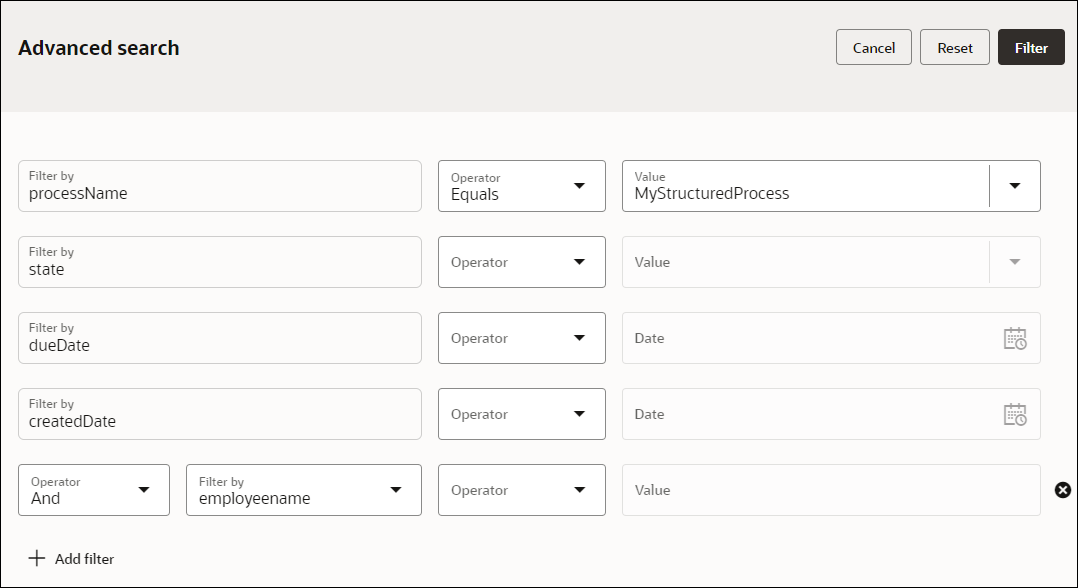
- Explore different search engines- Don’t rely on one search engine to find information. One should use different ones like Google, Yahoo, Bing, Ask.com, AOL.com, etc. Each may vary with their results.
- Use quotation marks for exact phrases- Use quotation marks for the key phrases which allows search engines to find results based on exact wording.
- Narrow down results with a (-) minus sign- If you want to exclude unnecessary terms from your search results, use a minus (-) sign before the word you want to remove. Ex. “healthy recipes -gluten” will exclude the results related to gluten.
- Explore related search suggestions- Some search engines provide search suggestions at the bottom of the page which lead you to more relevant information or alternative sources.
- Check specialized websites and forums- Shortlist your specific websites, forums, online communities, etc. based on your search topic can be valuable sources of information. These platforms have expert advice and discussion on specific subjects. By combining all these strategies you can enhance your search capabilities and find exactly what you’re looking for.
4. Use of Multimedia for developing interest in study materials
Brijesh Jadav, LinkedIn officer in HR thinks, “selecting appropriate multimedia enhances engagement in writing. Tailor visuals such as images and graphics to support directly your content… Ultimately, choosing multimedia aligned with your purpose ensures a compelling and enhancing reader experience.” While adding multimedia content, one should follow certain tips.
- Choose the right multimedia for your content i.e. identify your purpose and the audience to whom you are writing.
- Balance multimedia and text, don’t overload your notes with a variety of multimedia that may distract you or the other readers. Use it only to emphasize the content not to replace it. Also, check the alignment and coherence of the text seamlessly with multimedia.
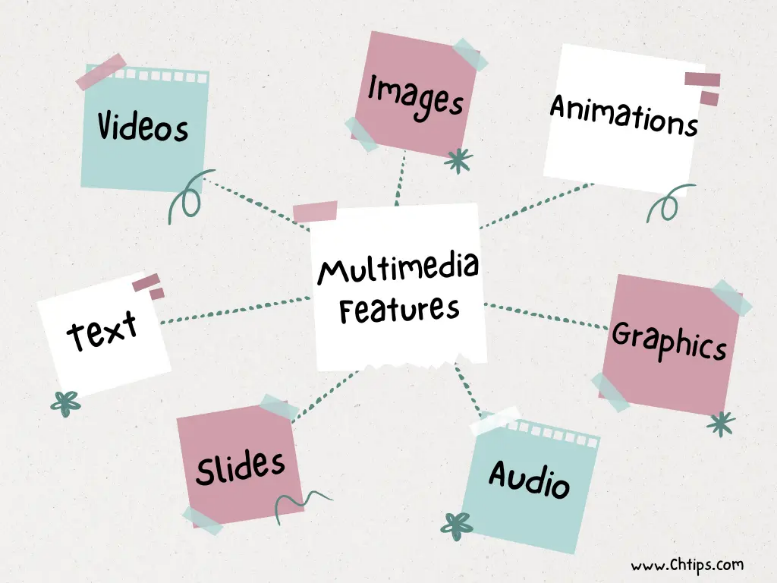
- Optimize multimedia for its quality and accessibility by engaging its clarity, relevancy, and flexibility to view or listen by you and others. Explore new ways of expressing your ideas and stories can challenge yourself in learning and teaching new skills.
- Add all forms of visual aids like charts, graphs, maps, diagrams, animations, audio recordings, and interactive elements like forms, quizzes, hyperlinks, etc.
5. Need for source referencing and Citing skills
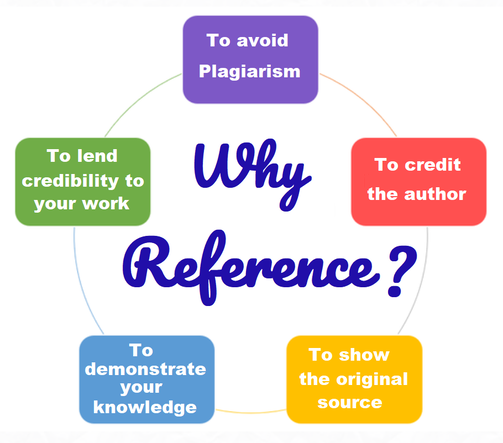
Referencing means acknowledging the contribution of other writers and researchers in your work. Any notes that are prepared by the ideas or words of other scholars must be cited in your document to maintain ethical integrity and loyalty in academics or any research. Referencing is a way to provide evidence to support your notes. it should always be accurate and allow readers to trace the source information you have used for further progress. Reference your source when you use content or information from any websites, journal articles, films and documentaries, magazines, lectures, newspapers, etc.
Conclusion
To sum up, becoming proficient in note-taking is not only essential for academic achievement but also plays a critical role in search engine optimization. You can improve your notes' online exposure and accessibility by using targeted keyword usage, organizing them in a hierarchy, and adding pertinent headings and subheadings. Recall that the objective is to produce notes that are useful to you and your audience, not merely notes that can be found quickly. As you continue to use these SEO strategies, you'll see that your notes become invaluable resources for your education.
Ms. Sandhya Vyas
Assistant Professor
Department of Communication Skills and iSEP Cell
Sector- 15, KSV University.
Gandhinagar.
References
21KSchool. How the Internet is Beneficial to Students. 15 Sept. 2022. https://www.21kschool.com/in/blog/how-the-internet-is-beneficial-to-students/
Government of India. “Search Engine Optimization.” Guidelines for Indian Government Websites. https://guidelines.india.gov.in/activity/search-engine-optimization-seo/
Hartshorne, David. The best AI grammar checkers and rewording tools. 12 May, 2023. https://zapier.com/blog/best-ai-grammar-checker-rewording-tool/
Mindtools. Seven Ways to Find What You Want on the Internet. https://www.mindtools.com/abtmh5z/seven-ways-to-find-what-you-want-on-the-internet
Search Engine Land. What Is SEO – Search Engine Optimization? https://searchengineland.com/guide/what-is-seo
Surfing the Internet https://www.slideshare.net/slideshow/surfing-the-internet-37260832/37260832
The University of New South Wales. Why is Referencing Important? Sydney https://www.student.unsw.edu.au/why-referencing-important
Tinoco, Antonio. The 10 Must-Follow SEO Content Writing Rules. 19 Apr. 2021 https://rockcontent.com/blog/seo-writing/
UChicago Library. https://guides.lib.uchicago.edu/misinformation
University of Reading. https://libguides.reading.ac.uk/reading/notemaking
Yadav, Brijesh. How can you use multimedia to make your writing more engaging? https://www.linkedin.com/advice/0/how-can-you-use-multimedia-make-your-writing-tslhc