Microteaching has been an important part of all teachers’ training programs. However, the other half of the phenomenon – microlearning – sounds to be comparatively less discussed.
Also known as bite-sized learning, it is a great insight into the process of learning, and aids teachers understand many of the challenges they and their learners face- to name some of them, problems related to concentration, attention span, retention of learned content, consistency of the learning process, etc.- in a more rational and methodical way.
Bite-sized learning means learning in smaller chunks, one at a time. The typical feature of bite-sized learning is brevity. However, not all brief chunks to be learned can necessarily be pieces of microlearning. The key is the single point of focus.
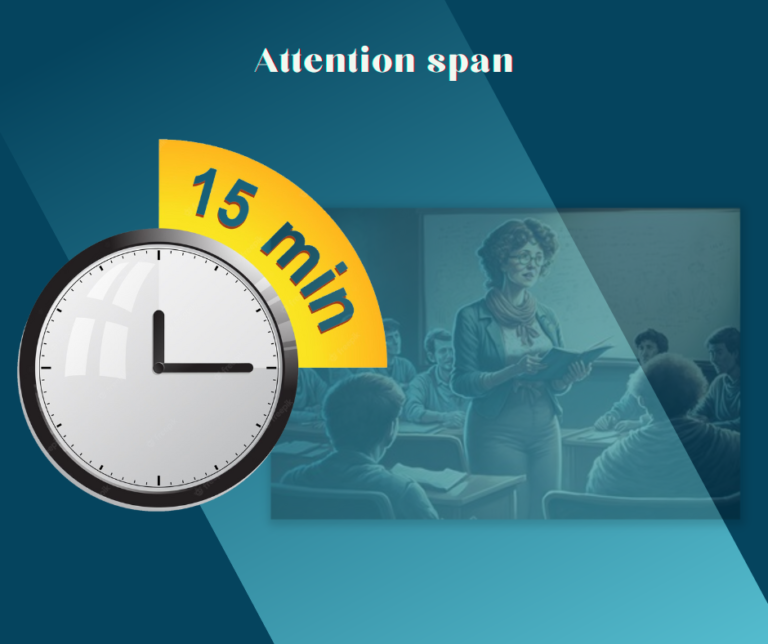
At one time only one chunk of learning content is targeted, and the teachers especially need to be aware of this fact so as to save themselves from the temptation of passing on many different chunks at the same time, from the same resource. The majority of such lessons range from one-minute to 15-minute plans, and cannot really go beyond, since human attention span is limited.
Why bite-sized learning? This may sound quite abrupt to those who are used to practicing learning and teaching in a traditional way when sitting for a longer time on studies, focusing on many things at a stretch without any interruption or interval was a prerequisite.
In the present times, though this may practically seem very difficult because of the speedy multitasking way of life which is full of variations and distractors. Learners today are engaged in a variety of activities throughout the day, so learning can happen more effectively when given through all those activities and not just by any one particular mode, method, means, or surrounding.
Similarly, the patterns in which a child comprehends and applies or can apply the learned content have also undergone changes, and without considering that their education remains unused or at least, less fruitful.
Bite-sized learning help learners cope with otherwise speedy and changing surrounding. It helps focus more intensely in less time with more profound comprehension, spending a small amount of mental energy more frequently, and so exposing a learner for a greater number of times to a new chunk which results in familiarity that helps one understand and retain better.